
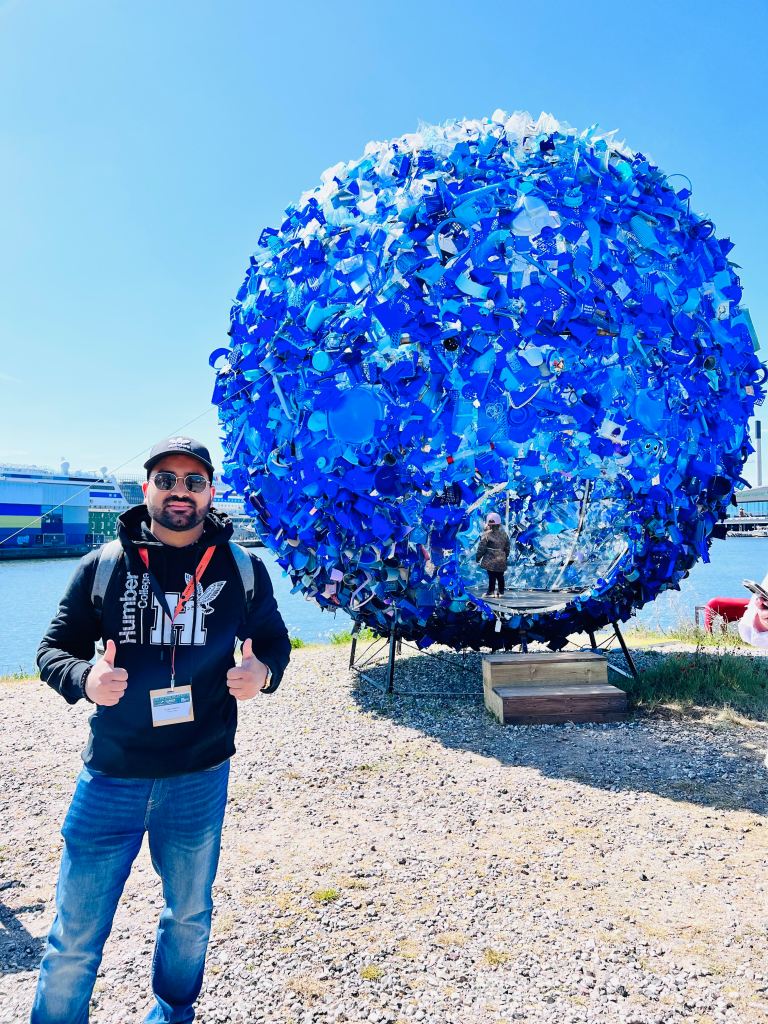
by Hitesh Mehta
Hitesh is a student of Hospitality – Event Management program who volunteers as a Sustainability Ambassador. Hitesh never misses a chance to support Humber teams especially when it comes to events. He is inclined towards making a positive impact in the society by making events more sustainable.
You can connect with him via LinkedIn.
Recently, Hitesh got a chance to visit Denmark for a summer school where he learned about sustainability and ocean rights. He did a lot of field work during his summer school on the global event called “The Ocean Race”. Ocean Race was a huge global event in Aarhus, Denmark, with approximately 400,000 guests from all over the world.
After carefully observing the sustainable practices followed by the City of Aarhus and Denmark in general, these are top 6 things that Hitesh absolutely loved and want to share and bring to Canada.
NON-PLASTIC ID CARDS FOR STAFF AND VISITORS
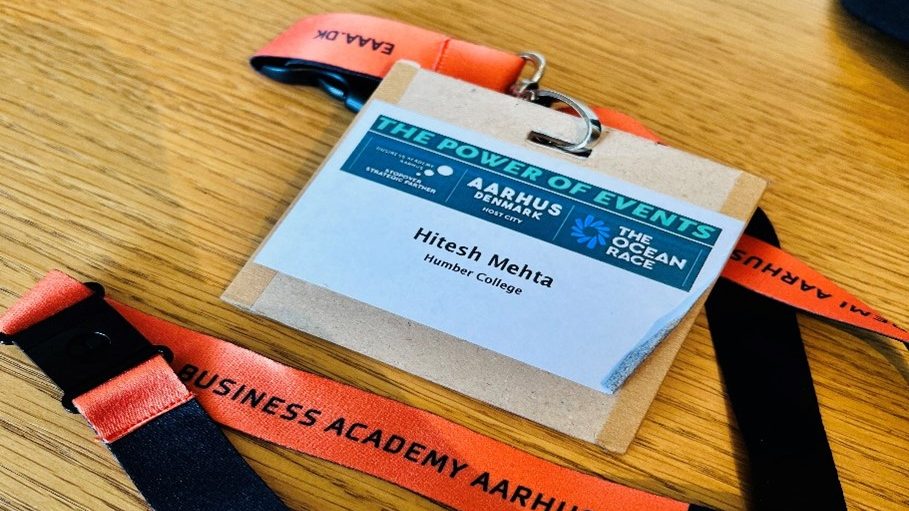
Aarhus, Denmark issued ID cards that were made of recycled cardboard instead of single use plastic cards. Additionally, the guests were encouraged to return their lanyards at the end of the event so that they can be reused for future events. This is a very simple and basic change that can have a big positive impact especially for a large event like the Ocean Race.
WOODEN SIGN BOARDS EVERYWHERE

Using wooden sign boards that can be painted again and again to be reused multiple times is a great eco-friendly signage method. For colorful graphics they provided QR codes that once scanned lead you to interactive websites.
REUSABLE CUPS FOR ALL KINDS OF COOL DRINKS
Even for a large Global Event with approximately 400,000 visitors, Aarhus used only reusable cups for all sorts of cool drinks that can be washed and safely used again.
Buckets were placed for cup return after use that significantly reduced the wastage as no single use plastic cups were used anywhere in the entire event.
RENEWABLE SOURCES OF ENERGY ONLY
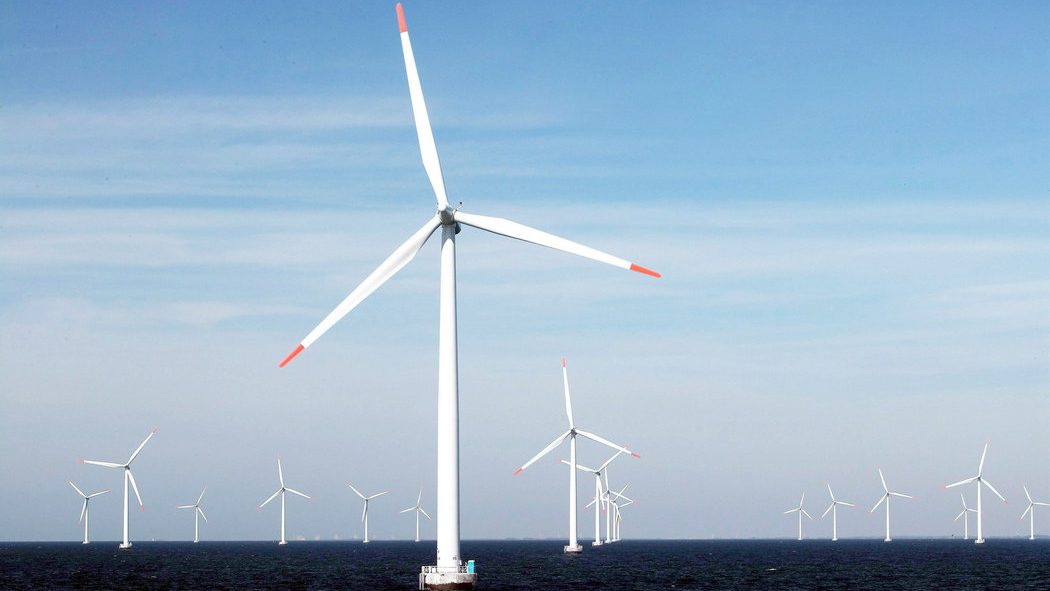
All the energy used in the event was sourced entirely from solar and wind power, avoiding diesel generators and the air and noise pollution that would arise from the fossil fuel consumption.
Running the global event only on green energy was really impressive to see as the Ocean race team installed their own solar panels and windmills stage for their event.
The energy generated was enough to meet the event’s needs, without depending on the city’s supply of energy.
Hitesh hopes to see this practice adopted by all countries for their public events.
RECYCLE BINS MADE EASY TO UNDERSTAND
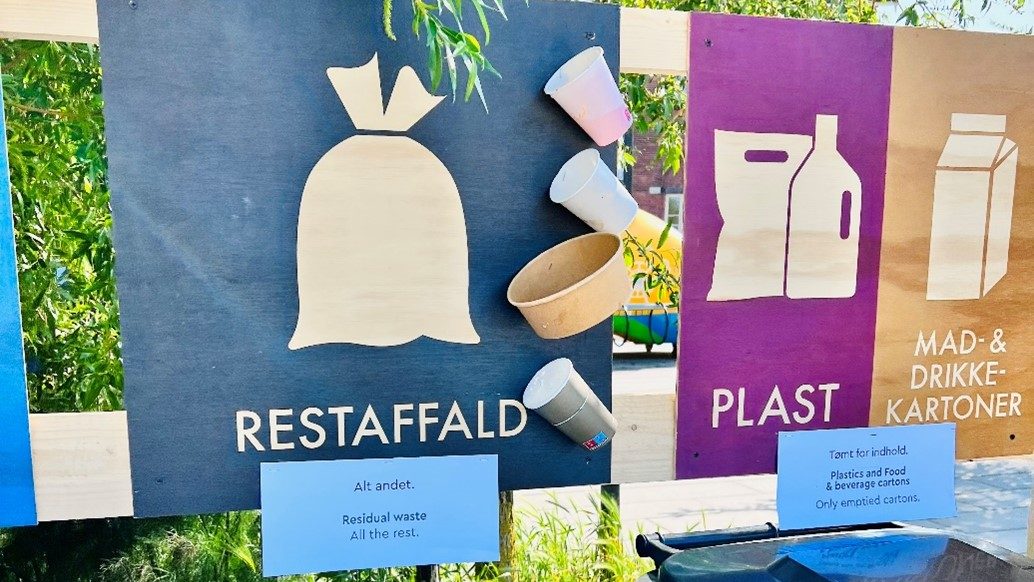
Posting samples of recyclable coffee cups, glasses, bowls etc. outside the recycle bin is such a simple practice to display what item goes into which bin, making the recycling process more efficient. Guests found it easier to see real physical examples of item sticking above the bin than reading and understanding the label/sign boards.
POLLUTION FREE TRANSPORTATION
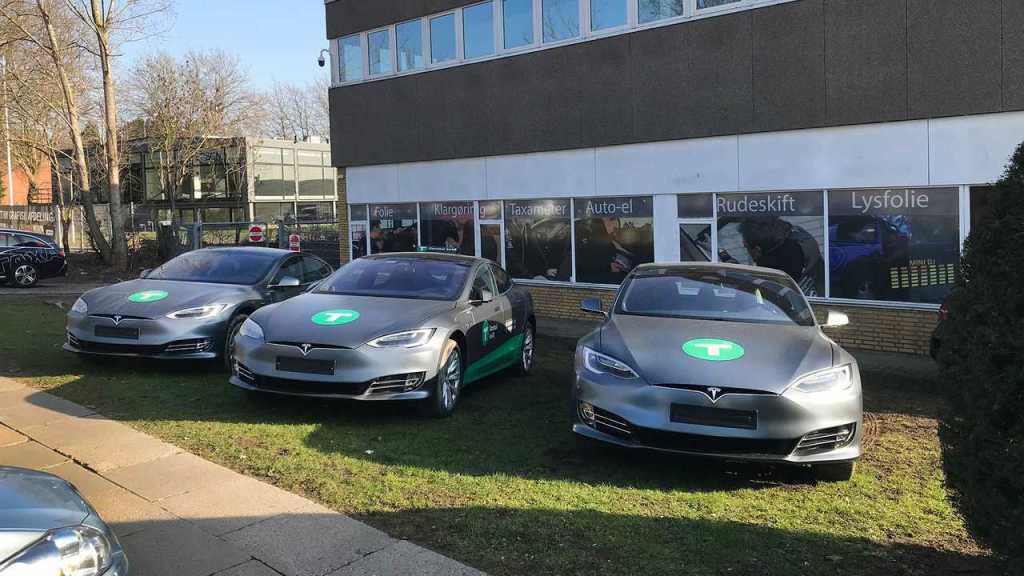
Use of electric vehicle for picking up and dropping off visitors from the city airport significantly reduced pollution. Since the entire focus of the event was on sustainability, the city of Aarhus allowed only electric vehicles at the event and non-electric vehicles, including taxis, were not allowed.
Hitesh is very grateful to Humber College for the opportunity to proudly represent our college in Denmark Global Summer Abroad program, learn about sustainability from a live event and bring home all the learning to make our communities and its events more sustainable with the help.
 Humber's Office of Sustainability