

by Cady Wang
Cady is a Public Administration student who volunteers as a Sustainability Ambassador. Loving the nature deeply, she always finds opportunities to spread the idea of sustainability. It is her dream to make Earth a place where human beings and other creatures can live happily together.
You can connect with her on LinkedIn
Fall is here, and with it comes the enchanting allure of maple leaves changing their colors. In cities like Toronto, Ottawa, Montreal, and Quebec City, maple leaf trails become hotspots for hikers seeking the ultimate autumn experience. While enjoying this natural beauty, it’s crucial to remember that we must do our part to protect the environment. Here are some tips on how to become a more sustainable hiker and leave a positive impact on the trails you are going to explore.
Discover Local Ecosystems and Indigenous Histories
Before embarking on your next hike, take a moment to get to know the lands you’ll explore. Start by visiting whose.land to discover the territories and the Indigenous heritage you’ll be walking through. Take some time to learn about the flora and fauna native to the area you’re going to hike. Understand the ecosystem, get to know the amazing nature and history as well as how to protect it! The deep connection between you and the land will definitely enhance the whole experience!
Reduce, Reuse, Recycle
Before hitting the trail, evaluate what you need for your hike. Try to minimize single-use plastics and opt for reusable items like water bottles, utensils, and food containers. If you do need single-use items, make sure to recycle them properly. Familiarize yourself with recycling facilities near the trailheads and use them as needed.
Follow Trail Guidelines
Trails in Parks are thoughtfully designed to guide you to captivating destinations while ensuring your safety and preserving the environment. It’s essential to always stay on these designated trails and familiarize yourself with any trail closures or restrictions issued by park authorities in advance.

Avoid Littering
This should go without saying. It’s essential to carry out everything you bring in with you. Even biodegradable items can take years to decompose. Responsible hikers will always dispose of their trash in designated bins or take it home. You can even bring along a small trash bag to collect garbage while hiking. Not only will this help keep the trail clean for others, but it also sets a positive example for fellow hikers.
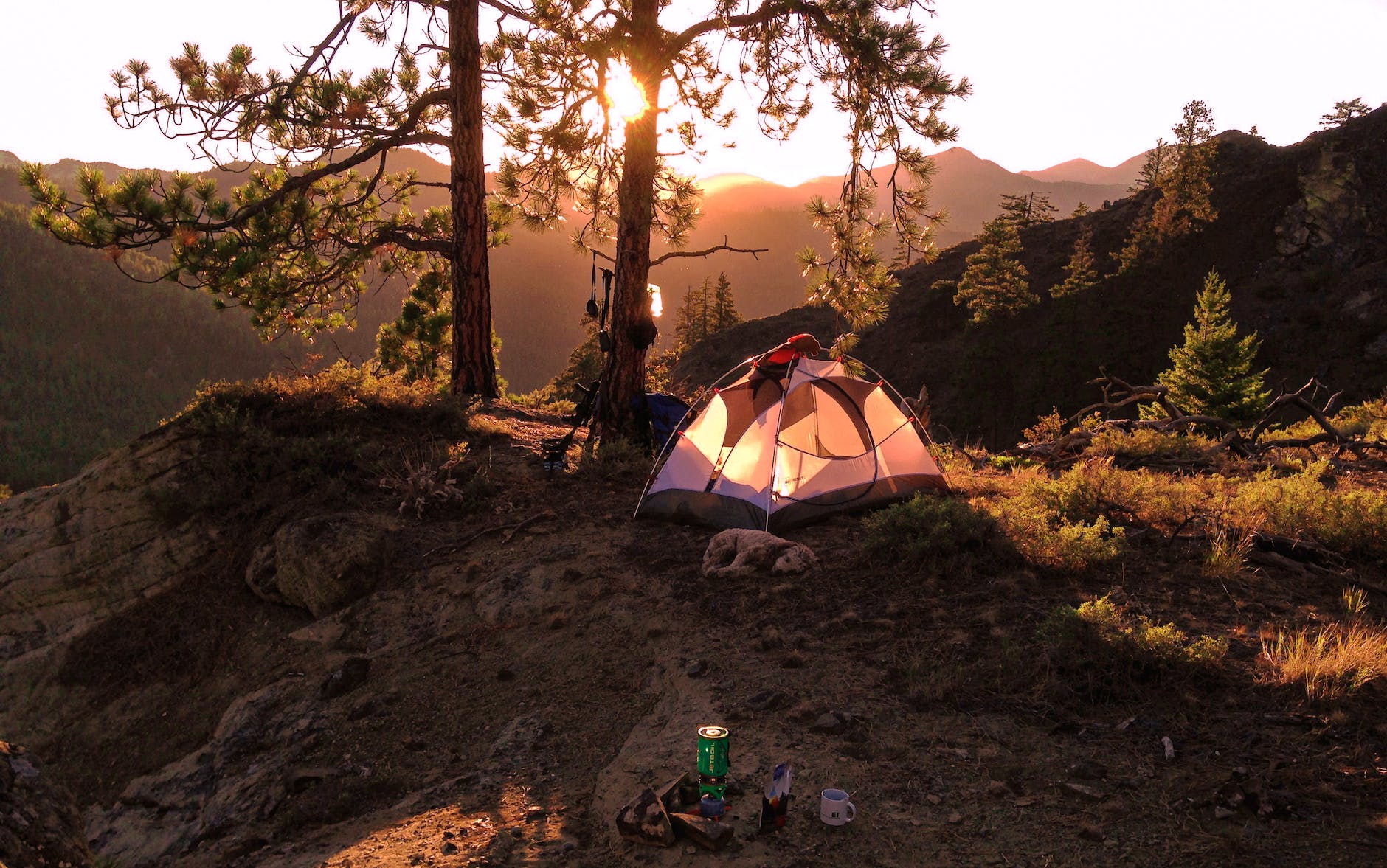
Practice Minimal Impact Camping and Leave No Trace
If your hiking adventures include camping, practice minimal-impact camping techniques. You may already know that leaving food out at a picnic site or campsite can attract wildlife, but did you know that wildlife is also attracted to any item that has an odour/smell? This includes garbage, dishes, pots and pans, stoves, coolers, dog dishes, and toiletries (like soap, shampoo and toothpaste).
Embrace Leave No Trace principles, which include packing out all trash, disposing of waste properly, using established campsites, and leaving natural and cultural features undisturbed. By following these principles, you help protect the pristine beauty of our outdoor spaces for generations to come.
Do Not Feed Wildlife
Wildlife is cute, indeed! However, they have evolved over millennia to find their own natural food sources, and they are best left to their own devices. Feeding wild animals, intentionally or unintentionally, disrupts their natural behaviors and can lead to dependency on human food.
In many places, including national parks and historic sites, feeding wildlife is not only discouraged but also illegal. By refraining from feeding wildlife, we help protect their well-being and maintain the natural balance of ecosystems. Let’s all play our part in respecting these regulations and safeguarding the animals that call these places home.
By following these tips, we can all contribute to the preservation of our natural landscapes and ensure that future generations can enjoy the breathtaking beauty of our trails. Let’s embark on our outdoor adventures with respect for nature and a commitment to leaving a positive, lasting impact.
 Humber's Office of Sustainability