
by Cris Corbito
Cris is a General Arts and Science student who volunteers as a Sustainability Ambassador. He is interested in social and climate justice.
Our hands are one of the most powerful parts of our bodies. With our hands, we can convey our deeper thoughts and express our love to others. With our hands, we can grow and build connections. We nurture the environment using our hands. We build majestic landmarks and buildings that celebrate and embrace our ingenuity and creative pursuit using our hands. Yet, through these hands, we can also destroy Mother Nature. Dams are mega-infrastructure projects that humans have built throughout the millennia that can be destructive to the environment.
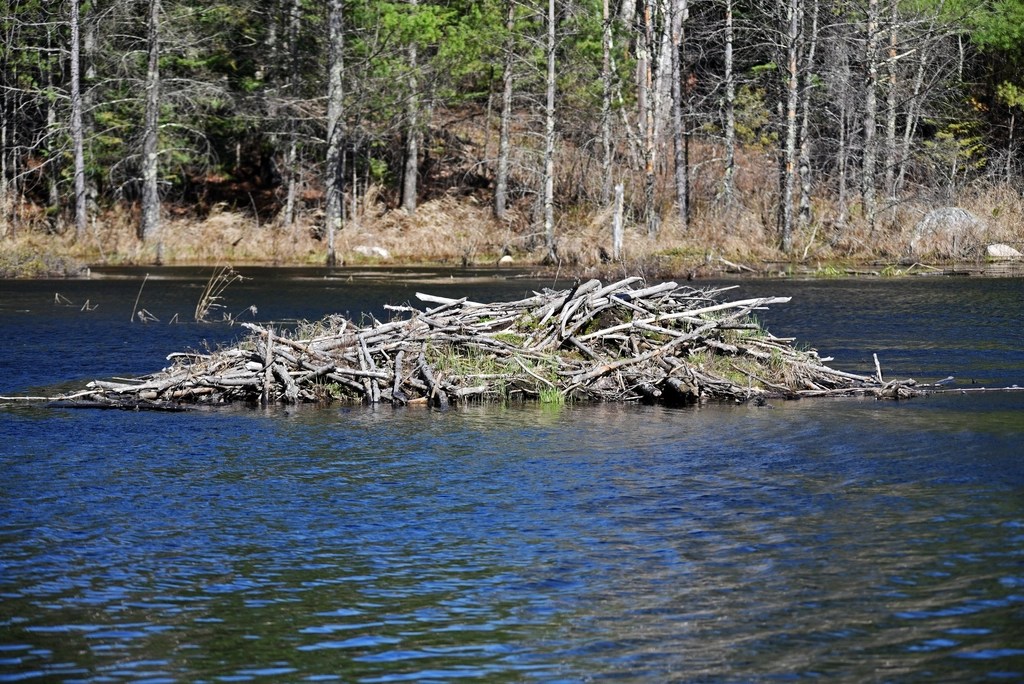
Inspired by beaver dams, dams are products of human creativity and cleverness that provide people energy and other advantages. In fact, humans get 17% of the world’s electricity from hydroelectricity and dams. In Canada, hydropower electricity accounts for 60% of the country’s electric supply, making the country the second largest producer in the world.
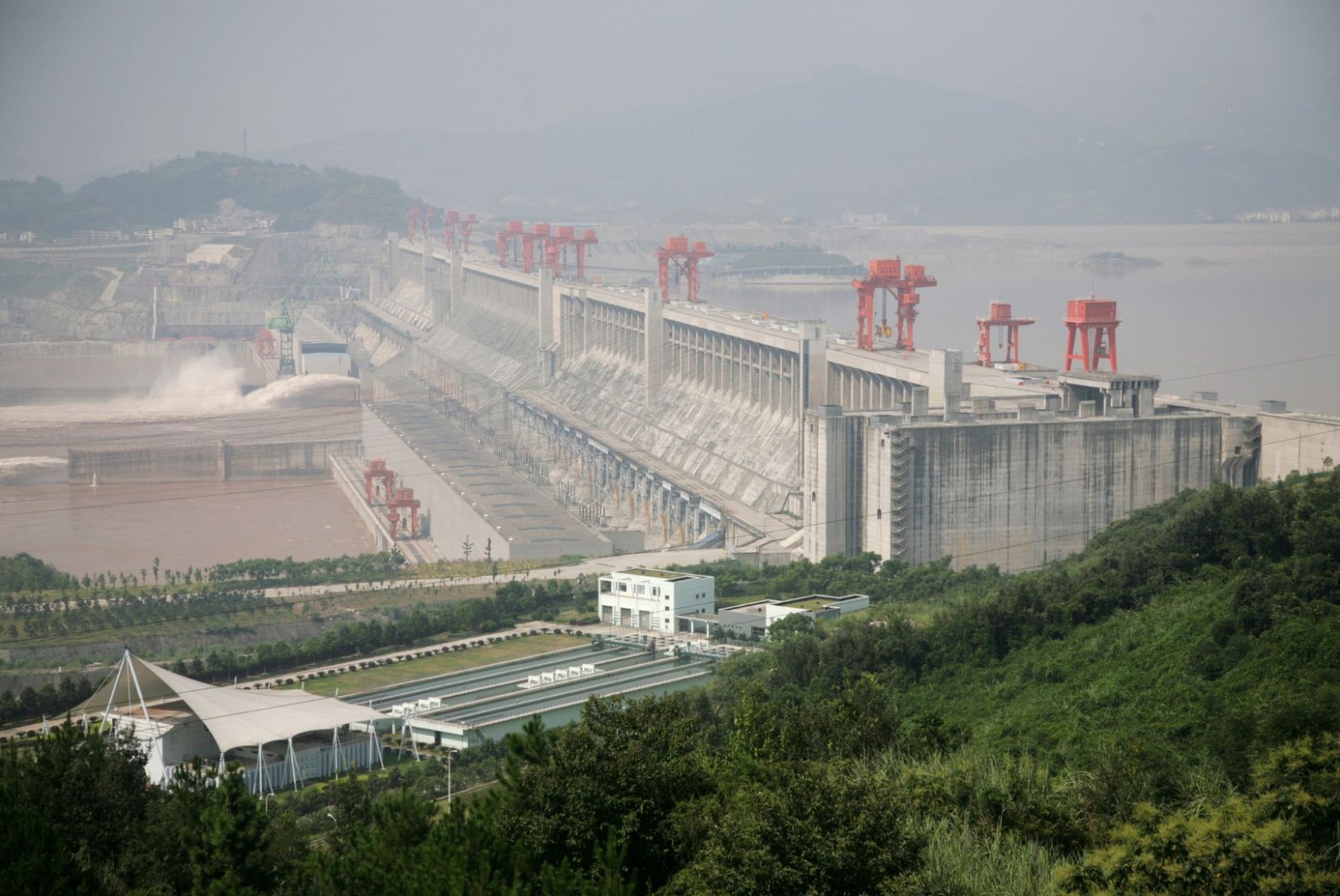
Because dams have longer lifespans than alternative energy sources and they pollute less, they are built all over the world as means of a just transition to renewable energy. As part of their national development, China built the most famous dam in the world— in one of the most biodiverse regions on the planet: The Three Gorges Dam. Apart from providing energy, this dam also provides the inhabitants of China with enormous economic benefits. Just like how energy is generated and produced due to the construction of the dam, jobs in the local areas have also flourished and burgeoned thanks to tourism brought by the construction. This megaproject also accommodates the agricultural industry with irrigation. Plus, the dams act as a barrier and eradicator of massive floods because of its flood-control mechanisms.
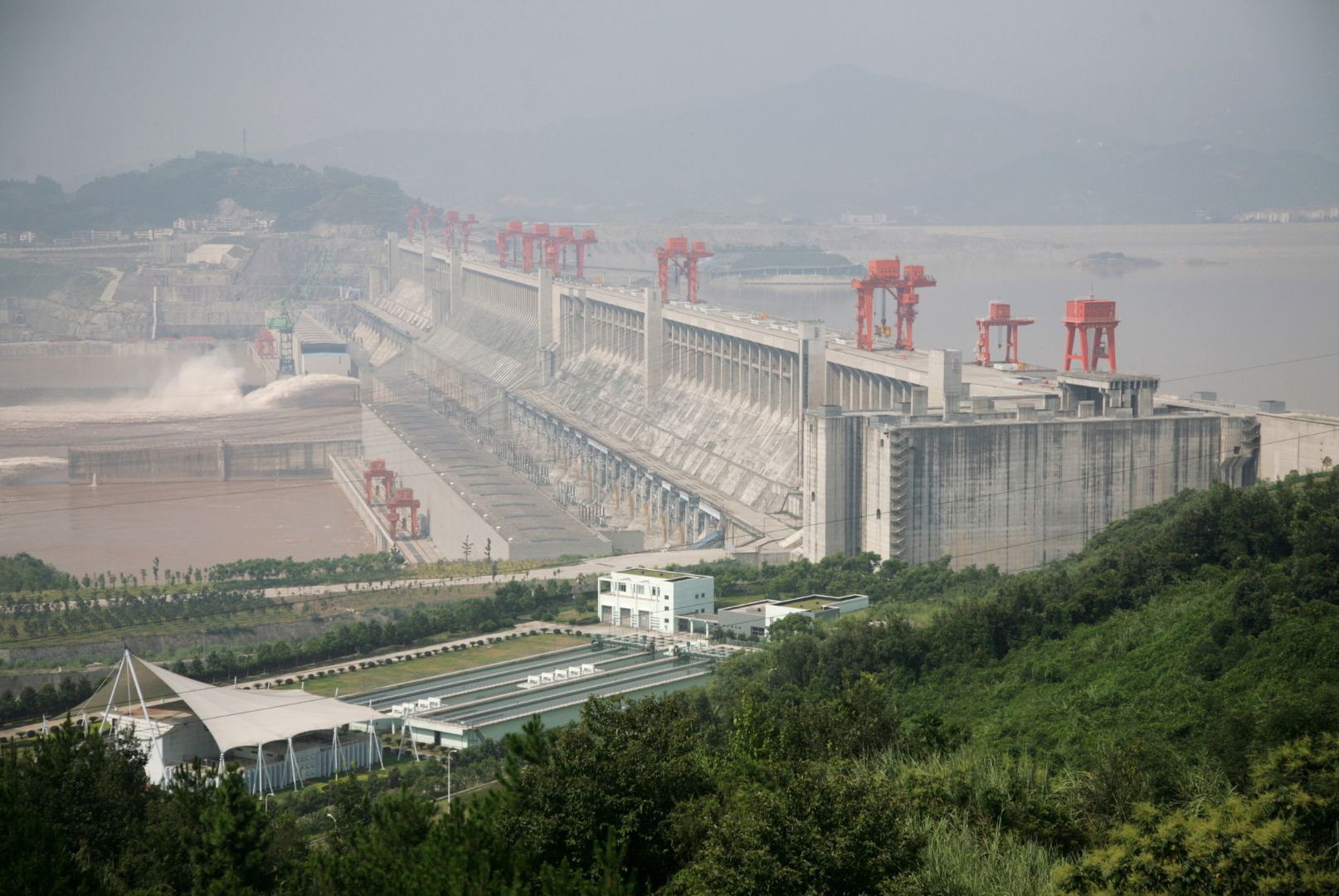
Human-built dams greatly impact the environment. To begin with, dams can alter the natural flow of the rivers, affecting the habitat of so many diverse flora and faunas living around them. Rivers shape how our Earth works, and dams break that peaceful purpose. Dams also lead to deterioration of land and soil quality. At the Three Gorges Dam, the decline of vegetation, including its native aquatic vegetation, can be attributed to construction of the dams. As the flow of the river is altered, the flora and fauna species around the river have been abysmally affected. The construction of dams led to the displacement of both local communities and the native species peacefully living and thriving around the setting. The construction of the dams made the Yangtze river dolphin critically endangered and later led to the extinction of the species in 2007.
As we transition to a more sustainable planet, maybe we should think about how dams are affecting us. Admittedly, hydropower electricity is one of the greatest renewable and alternative sources of energy. Dams may not be the greatest renewable energy alternative because of their powerful negative effects on the environment. Besides, dams are responsible for human rights violations worldwide. It is estimated that at least 40-80 million people have been displaced due to construction of dams and flooding of the land. Also, hydroelectric projects infringe Indigenous people’s rights by failing to get their prior and informed consent for the projects. Many Indigenous leaders and environmentalists who oppose dams projects have received death threats, and some have even been assassinated. The reason why people oppose dam projects is because they implicate land and natural resource grabbing. Indigenous lands are rich in fauna and flora species; it is estimated that Indigenous communities protect 80% of the world’s biodiversity, and all that diversity can be negatively affected once dams projected occur.
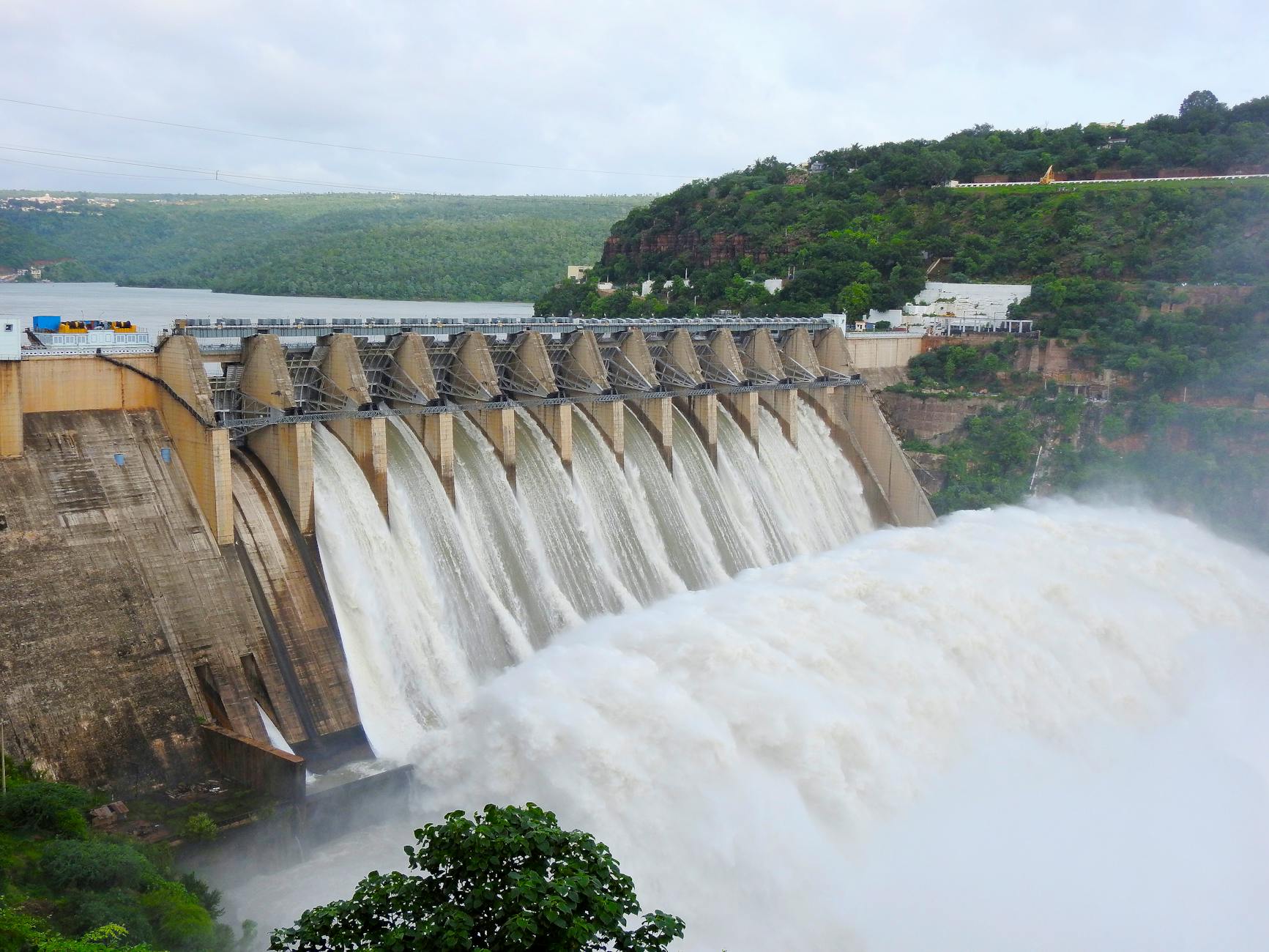
Furthermore, dams produce methane, a greenhouse gas much more potent than carbon dioxide. At least 80% of dam methane emissions comes from the water storage reservoirs.
The transition to renewable energy should not be at the expense of our humanity and the environment. Aside from water, Mother Nature provides us with so many renewable sources that we can use for energy production, like the wind and the sun. We may not be able to touch or hold these resources through our hands, yet we can feel them.
We should think more carefully about the impending construction of dams. The implications of those projects must be weighted and compared to the benefits, and clearly communicated to local communities. It’s better to think and rethink before we put our ideas into action.
 Humber's Office of Sustainability