

by Sneh Patel
I’m diving into my first semester of Business Management at Humber Lakeshore. I’m all about meeting new faces and jumping into activities that spotlight sustainability—there’s so much to explore! I have a big love for animals and genuinely think they’ve got a lot to teach us humans, so I’m always on the lookout for ways we can learn from their natural smarts.
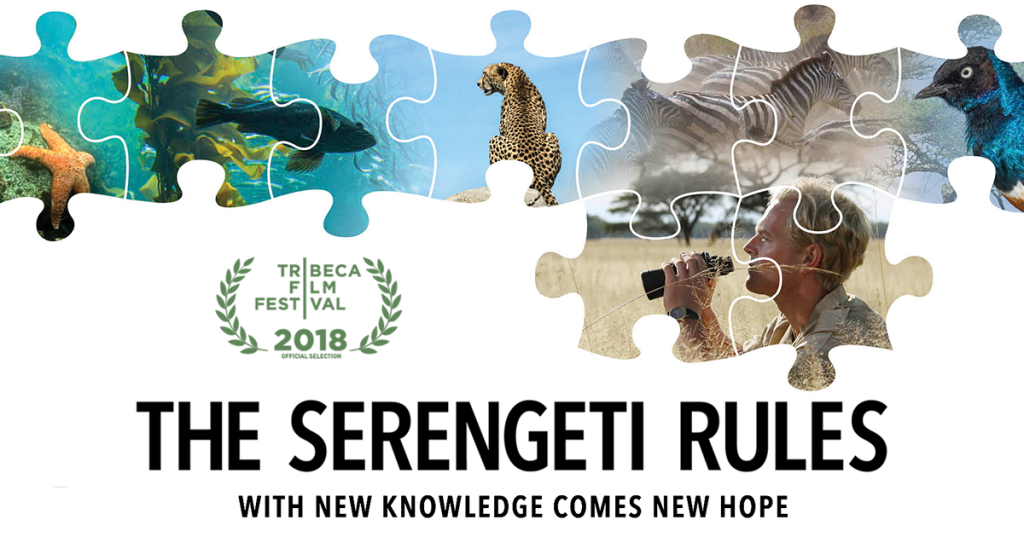
I love animals and nature. Seriously, what is more fun than walking around a park, observing the squirrels race up trees as I sip my coffee? Recently, I was made aware of this cool documentary called “The Serengeti Rules” about different sustainable practices in the animal kingdom and how the ecosystem functions. Inspired by that, I wanted to do some research of my own to learn about more such fascinating practices. I picked the largest and the smallest animals that came to my mind- Elephants and Squirrels. It blew my mind! I had no idea these little fur balls were such eco-warriors. Their nut-stashing antics and tree-pruning skills sparked my curiosity like never before.
Even more amazing is that there’s a lesson in sustainability to be learned from all levels, from the tiniest squirrel to the huge elephant. These two animals, as different as night and day, play an enormous role in their respective ecosystems and further show us how destruction can give rise to new creation.
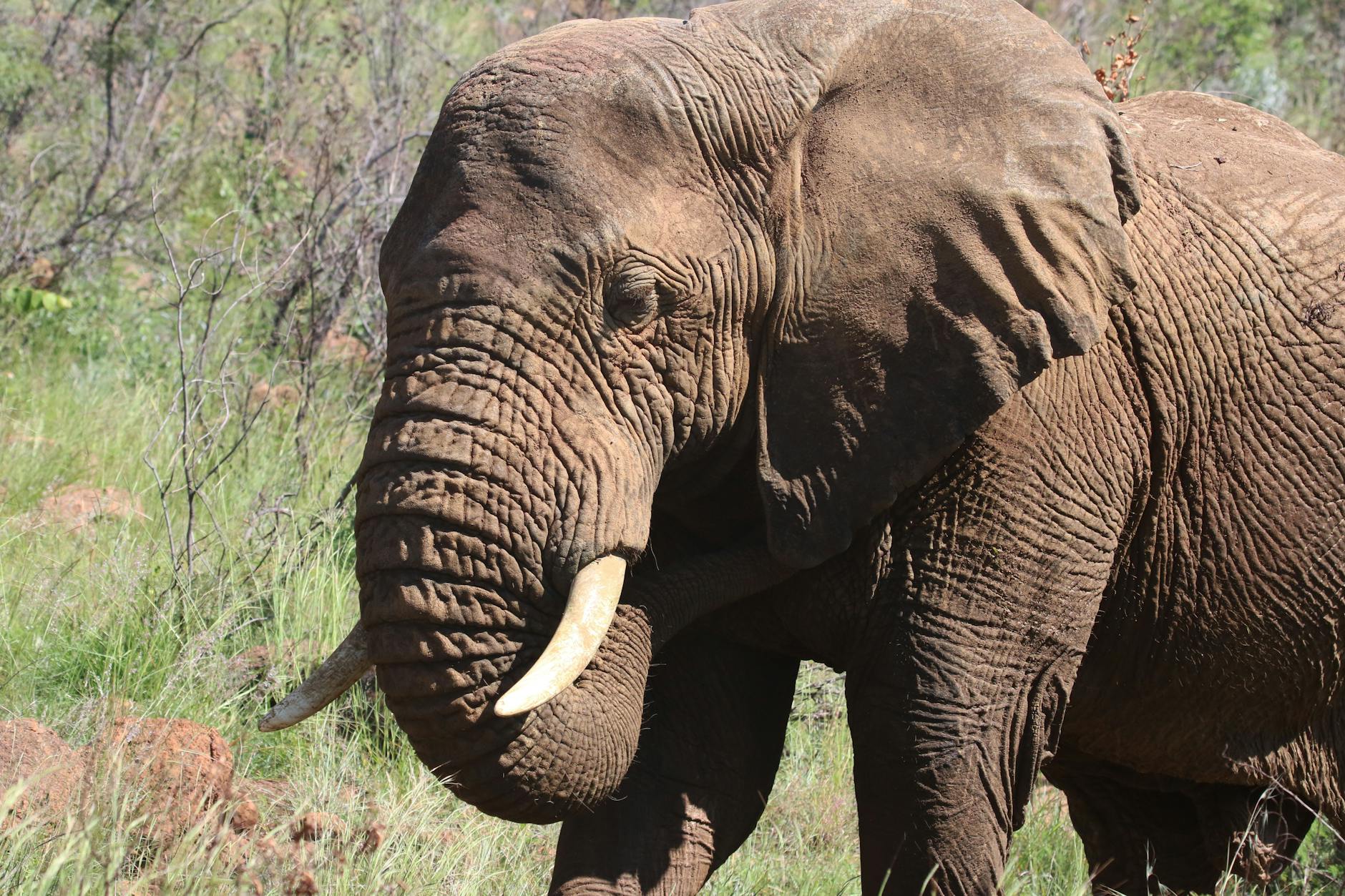
Let’s start with the big boys-the elephants. These are keystone species owing to the big impact they have on the environment. While moving across the savannah, they sometimes push down trees. This is disastrous when first viewed, but just wait! This opens clearings to let sunlight in for the grasses and other plants that grow beneath them. While it looks like a destruction, it is a natural process by which new life is encouraged. The fallen trees are home to many creatures, from insects to birds, animating life in their tiny community. Elephants show us that sometimes a little destruction can lead to a lot of new beginnings.
Let us go into the realm of our tiny eco-warriors: the squirrels. You might consider these to be just cute, bushy-tailed animals scurrying around, but they also help in nature’s balanced scheme of things. Squirrels, while foraging for their food, quite often nibble on tree barks and strip leaves from branches. This natural pruning encourages healthier growth in trees by letting them conserve their energies on new shoots and foliage. Then they bury their nuts for winter, but in the process plant new trees because they forget where they put them. They’re like nature’s little gardeners!

Both elephants and squirrels remind us that sustainability is not left only to the big projects. Every single creature, no matter how small or big, has a role in nourishing the environment. While elephants teach us about landscape management at a big scale, squirrels teach us how individual behaviour, such as nut caching, can help create a healthier ecosystem. They teach us that each small step counts; sometimes embracing a little chaos will spark new life.
What, then, can we learn from these eccentric creatures? Well, their stories would inspire us in being more considerate with our choices and relate them to the connection of everything living. Be it planning like a squirrel or knowing the big picture like an elephant, we can all find ways to contribute to sustainability in our daily lives. By embracing these natural lessons, our imagination could be fired up to our goal of living sustainably and reconnect with our wild aspects!
 Humber's Office of Sustainability