

by Mathuya Ananthabrakasam
Mathuya is a first semester Pharmacy Technician student. She is very passionate about environmental topics, self-development, and volunteers as a Sustainability Ambassador.
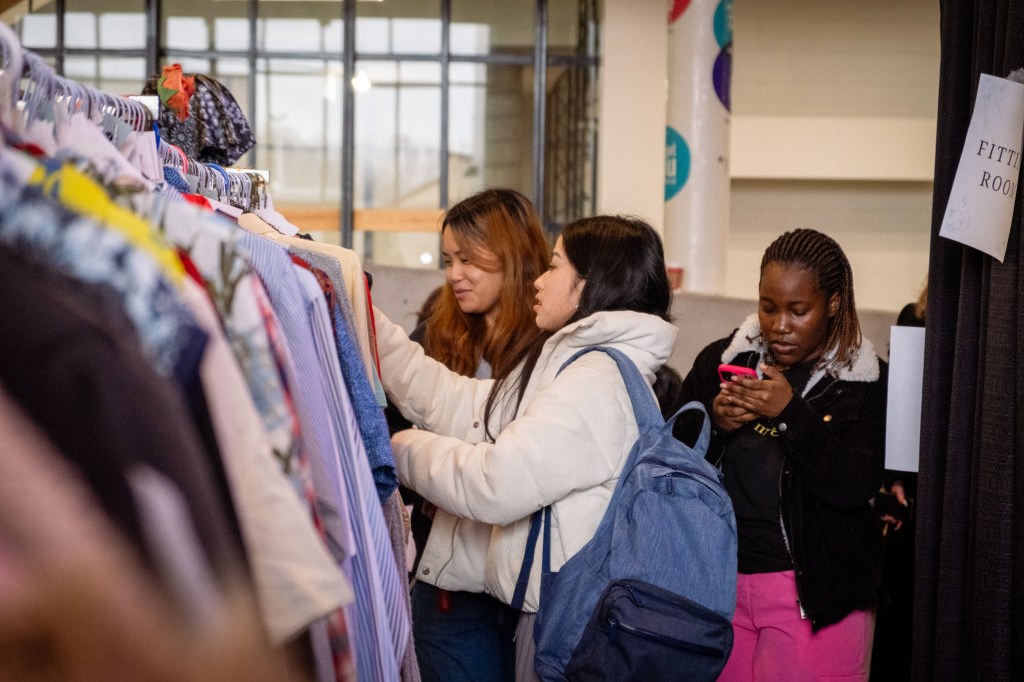
Fashion Art and Business Management students at Humber annually organize the Eco Closet. The event’s purpose is to encourage individuals to shop second-hand sustainable fashion, reducing the amount of clothing that goes into landfills from fast fashion retailers who profit from clothes which are “cheap”.
Fast fashion uses over consumption of clothes with over 50 micro-seasons every year. After a micro-season is over , a piece of clothing is no longer trending on the market. It is discarded creating approximately 92 million tonnes of textile waste annually. If this cycle continues, it would even increase to 134 million tonnes of textile waste per year
However, let’s look at the bigger picture. What happens when fast fashion retailers such as – H&M, Zara, and Shein- market their products as environmentally friendly?. It may look like they are changing their production to a more sustainable one, but it’s completely misleading.
This is called greenwashing – a marketing tactic where the organizations present their products as “environmentally friendly” through rebranding or repackaging, giving a false impression of sustainability. Labeling items as natural, free of chemicals, recyclable, or healthier is done to conceal the harmful environmental impacts associated with the product. Companies use it as an attempt to capitalize on their customers considering the growing demand for sustainable products to boost their sales’ revenue.
It can include brands falsely claiming a specific item is used with 100% recycled materials or non toxic dyes. Just recently, H&M were found to be the worst offenders of greenwashing by selling “eco-conscious” products. Honestly, this should be a wakeup call to the whole fashion industry.
How can consumers watch out for greenwashing when we shop for clothing?
Those who are exposed to greenwashing believe they are taking practical action towards reducing the amount of cheaply-produced clothing. When in reality, they have been completely misled which only worsens the pre-existing issue of textile waste.
Make sure to research honest manufacturers who are committed to sustainable development. For example, look for third-party certifications like Fairtrade and B Corporation. This adds more credibility to claims on the origin of the materials used in the the product. I believe by researching before you buy an “eco-friendly” product will play a significant role in decreasing pollution for the future of our planet.
 Humber's Office of Sustainability