

by Jannel Dias
Jannel is an Advertising Media Management student, learning to craft compelling campaigns that connect with audiences through various digital media channels. Her interest in sustainability sparked from a desire to incorporate eco-conscious practices into marketing. She was particularly drawn to how sustainability can be integrated into campaigns to not only raise awareness but also drive meaningful change in the world.
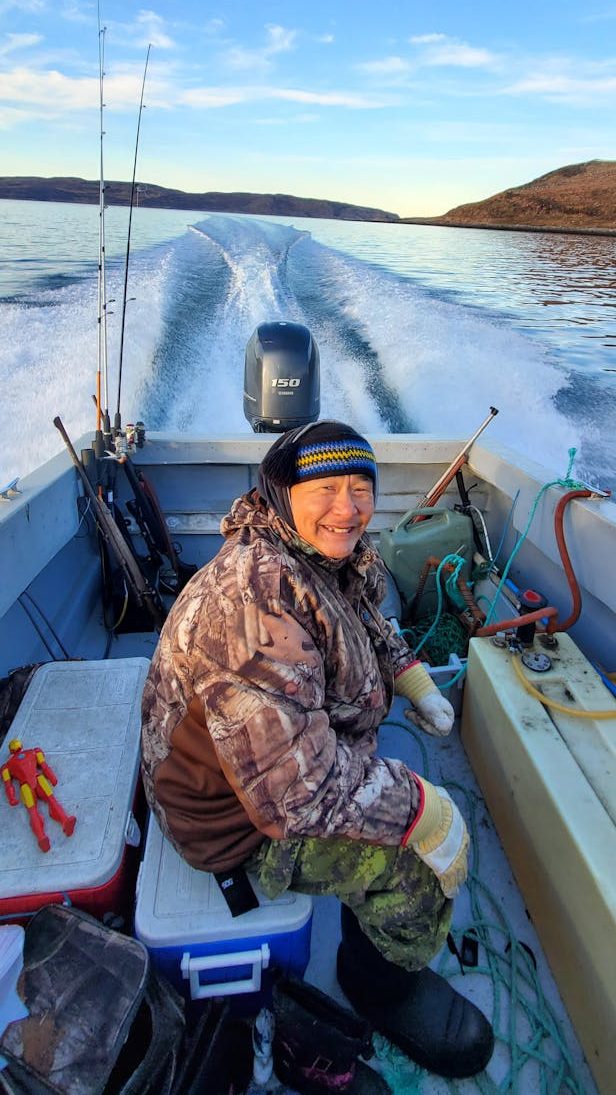
I recently completed the Fairtrade Ambassador training to learn more about the ethical production designation. In the training modules, I was taken by a topic new to me: the Inuit’s deep-rooted approach to environmental awareness and how it feeds our current understanding of climate change. Inuit tribes had been studying weather trends long before climate science became significant. In Clyde River, Nunavut, hunters and elders use passed-down skills to interpret changes in wind and clouds, deciding when it’s safe to hunt. Far from being outdated, Inuit ways, created over thousands of years of living in the Arctic, provide crucial, context-rich insights into the natural world. These findings are now attracting the attention of experts working to understand the dramatic environmental changes occurring in the Arctic.
Being able to sense smaller environmental cues is critical to survival in Inuit cultures and has been for generations. Elders and hunters use ancient knowledge to identify safe ice conditions, forecast weather changes, and communicate the Arctic’s unpredictable nature. However, in recent years, their findings have shown a lot of troubling trends in the environment. The glaciers and ice formation during winters which have been historically predictable and consistent have become unstable with thinner ice layers appearing later in the seasons and melting early. Also, the traditional signals are more difficult to understand because of the patterns previously built in Inuit knowledge which changed quickly.
Traditional Knowledge Complementing Western Science
We must give more recognition to Indigenous knowledges, as we can see scientists increasingly using it to solve climate forecast gaps. Dr. Shari Gearheard, a scientist who collaborates directly with Inuit communities, emphasizes the value of blending Inuit’s observational skills with Western research. For example, while satellites monitor sea ice changes from above, Inuit hunters immediately feel and interpret these changes on the ground, noting how ice color, thickness, and strength impact everyday activities and safety.
While this traditional knowledge might be labelled as old-fashioned, it is critical for climate change scientists. Inuit people have firsthand experience with the effects of a warming world. Their observations of animals – like birds arriving early or fish swimming in different patterns, give scientists real-time clues about how the climate is changing. Scientists are realizing the value of traditional knowledge held by Indigenous Peoples. By learning from the elders of the Inuit community, the scientists can improve their climate models to better reflect the specific needs of local communities. This partnership between Indigenous and Western knowledge demonstrates how we can work together to solve complex environmental problems.
Adapting & Advocating
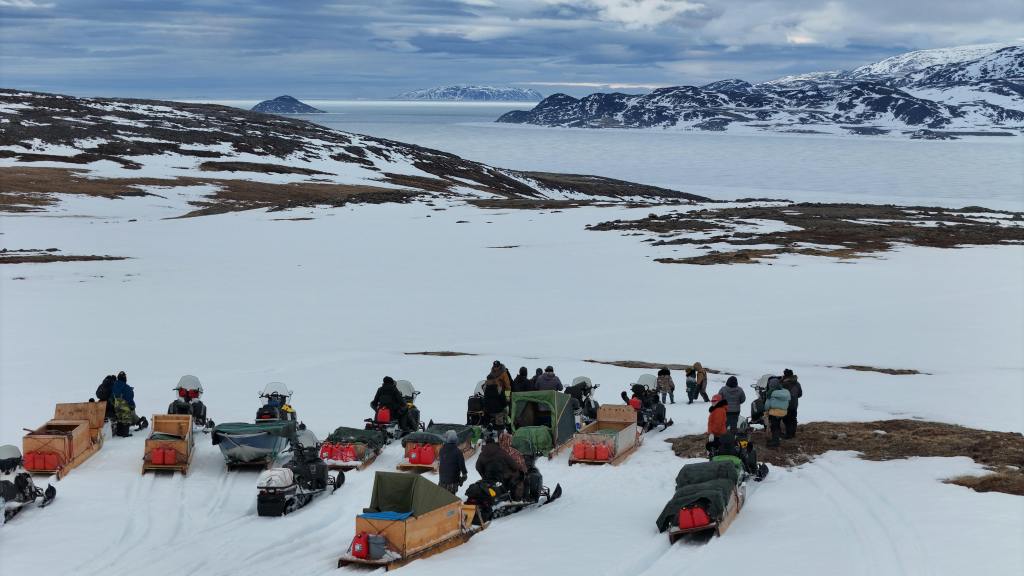
Even though things are tough, the Inuit are finding ways to adapt, just like they always have. They’re teaching their young people not only about traditional ways of life but also about the changing climate. Indigenous communities are also making their voices heard on the world stage, speaking up at climate conferences and research projects.
They’re fighting to protect their culture and our planet. The lessons they teach us aren’t just about the Arctic; they’re about the whole world. We can learn from the Inuit’s deep connection to nature and their ability to adapt to change. Climate change isn’t just an environmental problem; it’s a human problem that affects our cultures and our lives.
We are Connected to the North
The Inuit show us that we’re all connected to the Earth and that we are part of nature with their profound connection to the Arctic. They offer a unique perspective on climate change that bridges the gap between scientific data and human experience. From changing animal migrations to melting ice, they experience first-hand the harsh reality of a warming planet. By listening to their stories, we learn that the Arctic is not just a distant, frozen landscape but a vibrant and interconnected ecosystem. We need to pay close attention to their message and take action to protect the Arctic and the planet as a whole (Eerkes-Medrano, 2017) .
They help us understand the region’s delicate balance with their resilience to invaluable insights into the impact of Global Warming on the planet. We can incorporate their traditional knowledge into modern research and policy decisions, which can help us develop more effective strategies to mitigate climate change and build a sustainable future. It shows us that their ancestral wisdom is an essential reminder of human connection with nature for our survival.
 Humber's Office of Sustainability