

by Jannel Dias
Jannel is an Advertising Media Management student, learning to craft compelling campaigns that connect with audiences through various digital media channels. Her interest in sustainability sparked from a desire to incorporate eco-conscious practices into marketing. She was particularly drawn to how sustainability can be integrated into campaigns to not only raise awareness but also drive meaningful change in the world.
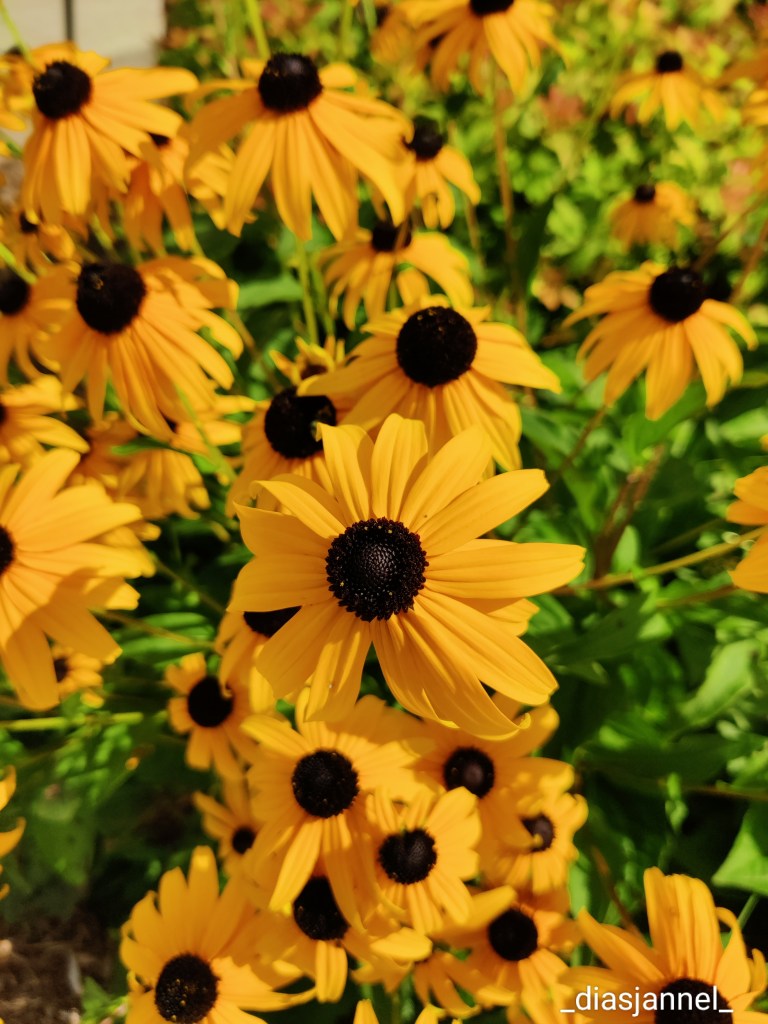
As we eagerly wait for the warmer spring and summer days to hit Toronto, nature begins to quietly prepare its warm welcome, and one of the first and most familiar wildflowers to make an appearance is the Black-eyed Susan (scientific name: Rudbeckia Hirta).
With their golden-yellow petals and dark blackish centers, these flowers bring an instant burst of life and color to the park, gardens, and even the roadside pathways. But there’s so much more to the Black-eyed Susan than just their ethereal sunny looks. Let’s dive into the world of yellowness…
What are Black-eyed Susans?
The Black-eyed Susan is a native Canadian wildflower loved for its bright yellow, daisy-like blooms and blackish center. It belongs to the Asteraceae, the same plant family as daisies and sunflowers, and it typically blooms from June through September. They grow up to 3 feet tall, they are hardy and cheerful plants that often reseed themselves, ensuring their familiar presence year after year.
Connection to the soil in Toronto
Toronto’s climate offers the ideal conditions for Black-eyed Susan to thrive. These plants are a staple in the city’s urban gardens, parks, native plant installations, and pollinator-friendly landscapes. They are great not only for their beauty but also for their toughness, these flowers can handle the varied spring rain, humid summers, and even those random, unpredictable colder days. Many local green spaces are intentionally planted with Black-eyed Susans, especially to support the pollinator populations and to create low-maintenance gardens across the city.
What kind of soil do they require?
Black-eyed Susans thrive in well-draining soils that are amended with compost, like sandy, loamy, or clay-heavy soils (Hughes & McMollom, 2023). Also, over-fertilized soil can lead to floppy plants, so moderately fertile soil conditions are perfect for these plants to thrive (Boeckmann, 2025).
In Toronto, where clay soil is often a challenge, a bit of preparation with organic material helps create the loose, well-drained structure these flowers love.
Insects and birds they attract
If you are looking to create a buzzing, lively backyard or balcony garden, Black-eyed Susan are a must-have since they attract a wide variety of insects and birds. By planting these flowers, there is an entire ecosystem is being built up.
- Bees: Native bees, bumblebees, and honeybees are a frequent visitor, especially to collect nectar and pollen.
- Butterflies: Different types of butterflies are naturally attracted to the bright yellow colour.
- Insects: Ladybugs are also drawn to the gardens rich in Black-eyed Susans.
- Birds: After the flowers bloom, their seed heads become a valuable food source for birds such as American goldfinches, cardinals, and chickadees. (Boeckmann, 2025)
How we can help these flowers bloom
Even if you don’t have a garden of your own, passersby in Toronto can contribute to the beauty of health of these wildflowers. Here’s what you can do:
- Support Local Wildflowers Projects: Many local parks and community groups plant wildflowers. By advocating for or donating to such projects, we can help spread these beneficial plants throughout the city. You can find those groups online through Facebook or websites.
- Respect nature: If you see these flowers growing in public spaces, be mindful of their growth. We can refrain from trampling them, picking the flowers, or disturbing their roots. Respecting these wildflowers in their natural habitat helps them thrive year after year.
- Plant Them Yourself: If you have access to a small patch of land, a community garden, or even a balcony, planting Black-eyes Susan is an easy way to help them spread. These plants are low-maintenance, which makes them an excellent choice for gardeners of all experience levels. Even small efforts can help these vibrant flowers bloom and continue to support wildlife.
Tips to care for Black-Eyed Susan
To best care for your Brown-eyed Susan, keep the following things in mind:
- These plants require 6-8 hours of daily sunlight to thrive.
- As for water, these plants are drought-tolerant after they establish their roots in the soil, which is perfect for watering circumstances.
- Regularly remove faded flowers to promote even longer blooming, also known as deadheading.
- During the fall and winter season, allow the seed heads to remain in the soil, this will provide natural food for the wildlife and self-seed.
How Black-Eyed Susan cares for the planet
Black-eyed Susans are not only beautiful but also incredibly sustainable for the planet. Here’s how:
- Supporting Pollinators: These flowers are an essential food source for many native pollinators, including bees, butterflies, and hummingbirds. By planting them, we are contributing to the well-being of pollinator populations, which are crucial for global food production and biodiversity.
- Drought Tolerant: Once established, these flowers are drought tolerant, requiring little water beyond the initial planting stage. This low water demand makes them an eco-friendly choice for urban areas, reducing the need for excessive irrigation and water waste.
- Self-Seeding: Black-eyed Susans are excellent at self-seeding, meaning they can reproduce naturally and spread across gardens without requiring constant replanting procedures. This helps to reduce the need for purchasing new plants each year, which is indeed helping to promote a more sustainable gardening practice.
- Natural Pest Control: Their ability to attract beneficial insects like ladybugs helps to naturally control pests, reducing the need for chemical pesticides harmful to wildlife and pollinators.
- Habitat for Wildlife: From providing food for birds and insects to creating shelter for smaller animals, these plants act as a miniature ecosystem that supports the biodiversity in urban spaces. By planting these flowers, we are not just adding beauty to our environment, but also contributing to a healthier and more sustainable planet.
As Toronto slowly thaws and moves towards the vibrant colors of spring and summer, the Black-eyed Susans stand ready to paint the city with their beautiful, bright yellow colour. Their resilience, easy care, and vital support for local pollinators make them a timeless favourite in Toronto gardens and landscapes. You’ll see them peeking through the edges of trails, parks, and along the yards. Black-eyed Susans are a reminder of the deep connection between urban life and the natural world. The next time you spot these iconic yellow blooming flowers with their bold black center, take a moment to admire and capture the beauty they bring to Toronto’s ecological and cultural landscape.
 Humber's Office of Sustainability