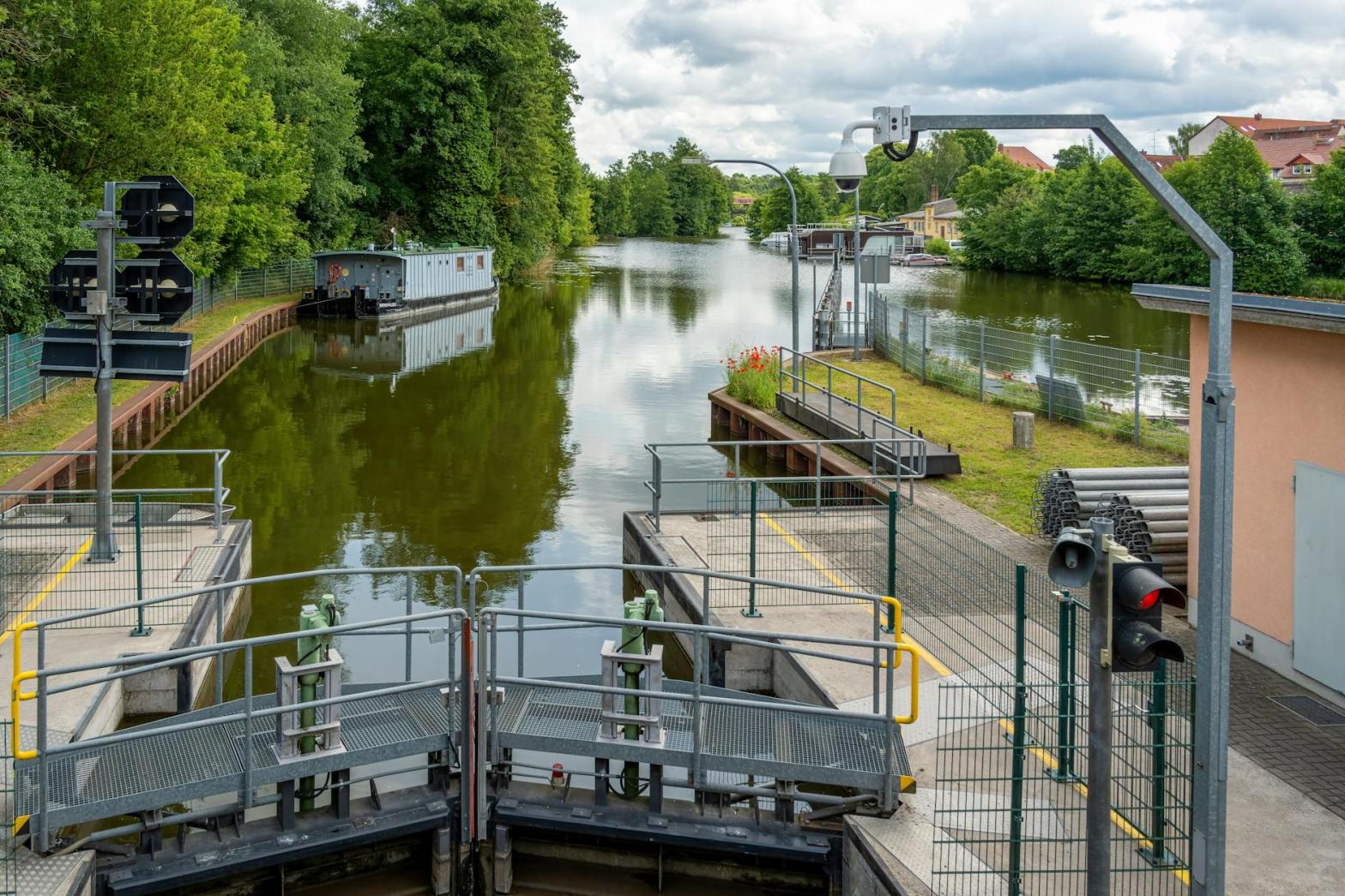

by Cris Corbito
Cris studies political science at Glendon Campus of York University. He is an alumnus of Humber Polytechnic’s General Arts and Science program. His research interests lie in the history of political thought with an emphasis on human flourishing and modernity.
How can we understand the relationship between modernity and the environmental crisis we face? I will explore this question through an analysis of the St. Lawrence Seaway, an example of a project that is influenced by the principles of modernity and Canadian nationalism.
I will start off with the definition of modernity, which varies depending on the context. The term “modern” came from the late Latin phrase modernus, which means being in existence at this time, current, present, and the way of today. When a human subscribes to the way of today, he or she must renounce the way of yesterday, namely ancient/pre-modern thinking and the lived experience. Modernity can be defined as a human’s attempt to conquer nature. It is the domination of a human’s lust to control the natural world and maximize hedonistic impulses through the exploitation of earthly goods. This subscription of the way of today begins with the initiative of humans that understanding and knowing start when they use their reason. The purpose of conquering nature, therefore, is for the maximum control and for the reassurance of the human’s estates. Placing nature into the hands of humans ushers in the characteristics of what we know as modernity: individualism, secularism, rationalism, urbanization, industrialization, and globalization. Thus, the expansion of technology and science as a means to improve society and the natural world becomes the driving force of modernity.
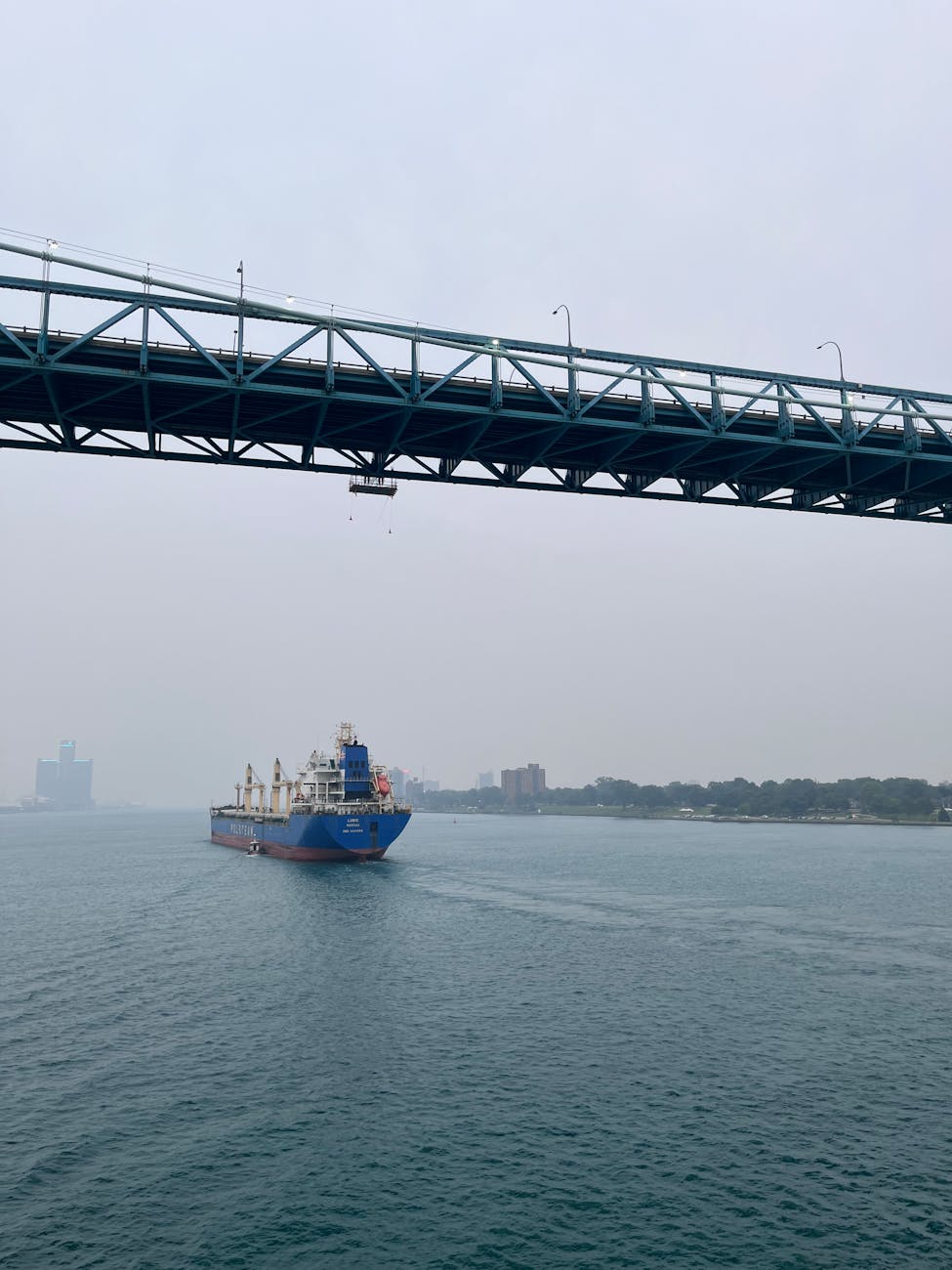
The St. Lawrence Seaway is a great testament to this project of modernity as it required the alteration of the natural environment through extensive digging, blasting, and drilling, and the alteration of society by relocating numerous communities and infrastructures. The Seaway can be considered a modernized river.
The transnational innovative project features a deep canal system, hydroelectric development, and four dams, all of which reflect the fruits of scientific and technological advancement. From a pre-modern thinking, the river can be a source of transportation and abundant resources; the domination of the modern thinking however sees a river as having potential to be explored for its utility in supporting the growing demand of the market and nation-state.
Notwithstanding the progress, the St. Lawrence Seaway led to the fragmentation of the old societies, paving way for the construction of urban-centred, industrialised-centred societies based on science and technology. The project resulted in the relocation of people, towns, and infrastructures. The rational-legal authorities for example reorganized scattered riverfront communities in a more rational manner and promised the people of the upper St. Lawrence Valley that their region would become the greatest industrial area in the Dominion of Canada, revealing how these villages were restructured in order to fit the ideas of urbanization. This type of urbanization is central to liberal capitalism, where modern cities are restructured and reordered to facilitate the continuous accumulation and production of profit and capital.
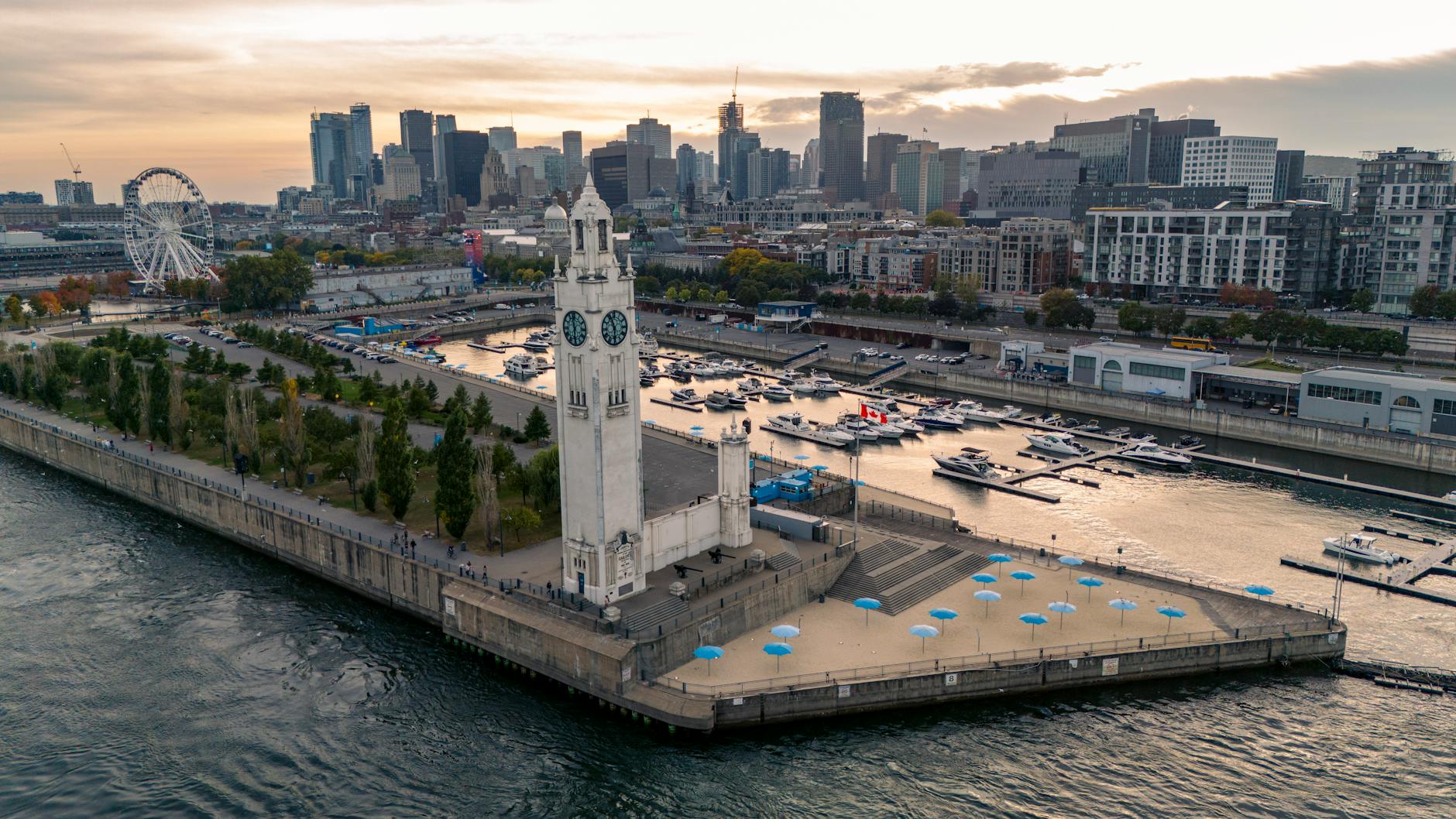
The Canadian state prioritized the movement of bulk cargo across the continent and globe over small-scale, recreational trips on the river. The project led to the loss of fourteen-foot canals and the residents’ access to the river essential for their social and recreational opportunities as well as the the fragmentation of local, small-scale, and personal economic enterprises. The environmental historian Daniel MacFarlane notes that the big industries and the Canadian state were the main beneficiaries of the seaway project. Much of the long-time prosperity that would benefit the local inhabitants never materialized. Despite its claim of progress, the people who lived along the river never reaped the benefits that the project promised even if they were the ones who paid the cost.
The Seaway project reveals the domination of Western based knowledge and practices rooted in scientific thinking which replaced Indigenous ways of thinking. In Canada, many Indigenous approaches to nature are based on reciprocity and respect, where rivers or other natural landscapes are regarded as conscious beings. As modernity unleashed its power, the modern human-nature dualism thinking superseded this way of regarding nature. By disenchanting the river, the Seaway shows the fragmentation of morality moving towards secularism and consumerism. In fact, the St. Lawrence Seaway was a type of imperialist project that made the Indigenous reserves, namely the Mohawks community, second-class citizens all in the name of human-made progress.
The legacy of the Seaway project can be explained in two ways. The project is a sign of confidence in modernity. As a project that is future-oriented that combined nationalist sentiments and the ability of Canadians to conquer nature, the Seaway helped to establish Canada as a key player in the international arena. As a future-oriented technological project, this brings conveniences and comfort for its power to supply hydroelectric power and mobility for the inhabitants and numerous Canadian industries respectively. This construction of the project, however, does not shy away from environmental impact, such as water and air pollution and the degradation and alteration of the natural ecosystem.
From a pre-modern thinking, humans have limitations. As modernity is premised on the human’s attempt to conquer nature, and modern projects like the St. Lawrence Seaway, transcends the limitations of humans, would it be appropriate to say that the socio-environmental crisis as a result of this attempt is a form of punishment from nature?
You can read more about the St. Lawrence Seaway project and its implications in “Creating the St. Lawrence Seaway: Mobility and a Modern Megaproject” by Daniel MacFarlane in Moving Natures: Mobility and the Environment in Canadian History (Calgary: University of Calgary Press, 2016) edited by Ben Bradley, Jay Young and Colin M. Coates.
 Humber's Office of Sustainability